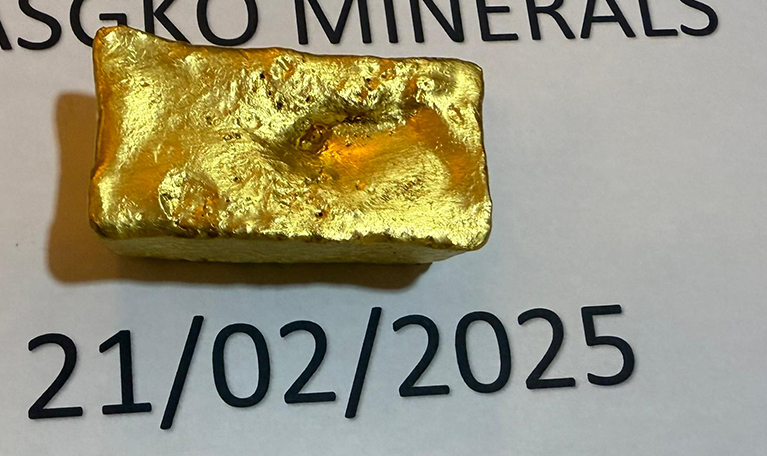
Gold bullion refers to refined gold in bulk form, usually cast into bars, ingots, or coins, with a purity of at least 99.5% (24 karats). It is traded and valued primarily by weight and purity, not by artistic value like jewelry.
📍 Forms of Gold Bullion
Gold Bars / Ingots: Ranging from small 1g bars to large 400-ounce (12.4 kg) bars used in central banks.
Gold Coins: Minted by governments (e.g., Krugerrand, American Eagle, Canadian Maple Leaf).
Gold Rounds: Similar to coins but not legal tender.
⚖️ Characteristics of Gold Bullion
Purity: Commonly 99.9% (sometimes marked as “999” or “999.9 fine”).
Weight: Measured in grams, ounces (troy ounce = 31.1035 grams), or kilograms.
Identification: Stamped with weight, purity, and mint/refinery mark.
🔍 How is Gold Bullion Acquired?
Refineries: Convert raw gold (dust, nuggets) into bullion.
Mints: Produce coins and bars for trade and investment.
Banks, Dealers & Exchanges: Authorized institutions sell bullion to investors and traders.
💰 Uses of Gold Bullion
Investment & Wealth Storage: A safe-haven asset during inflation, currency fluctuations, or crises.
Central Banks Reserves: Many countries hold gold bullion as part of their monetary reserves.
Jewelry Manufacturing: Bullion is melted down to produce ornaments.
Trade & International Settlements: Used historically and sometimes in modern bulk trading.
⚠️ Important Considerations
Verification: Must be tested for authenticity (XRF analysis, fire assay, or ultrasonic testing).
Storage: Requires secure vaults or depositories.
Liquidity: Easily tradable globally.
Risk of Scams: Fake bullion bars or coins can exist — buying from verified dealers is critical.